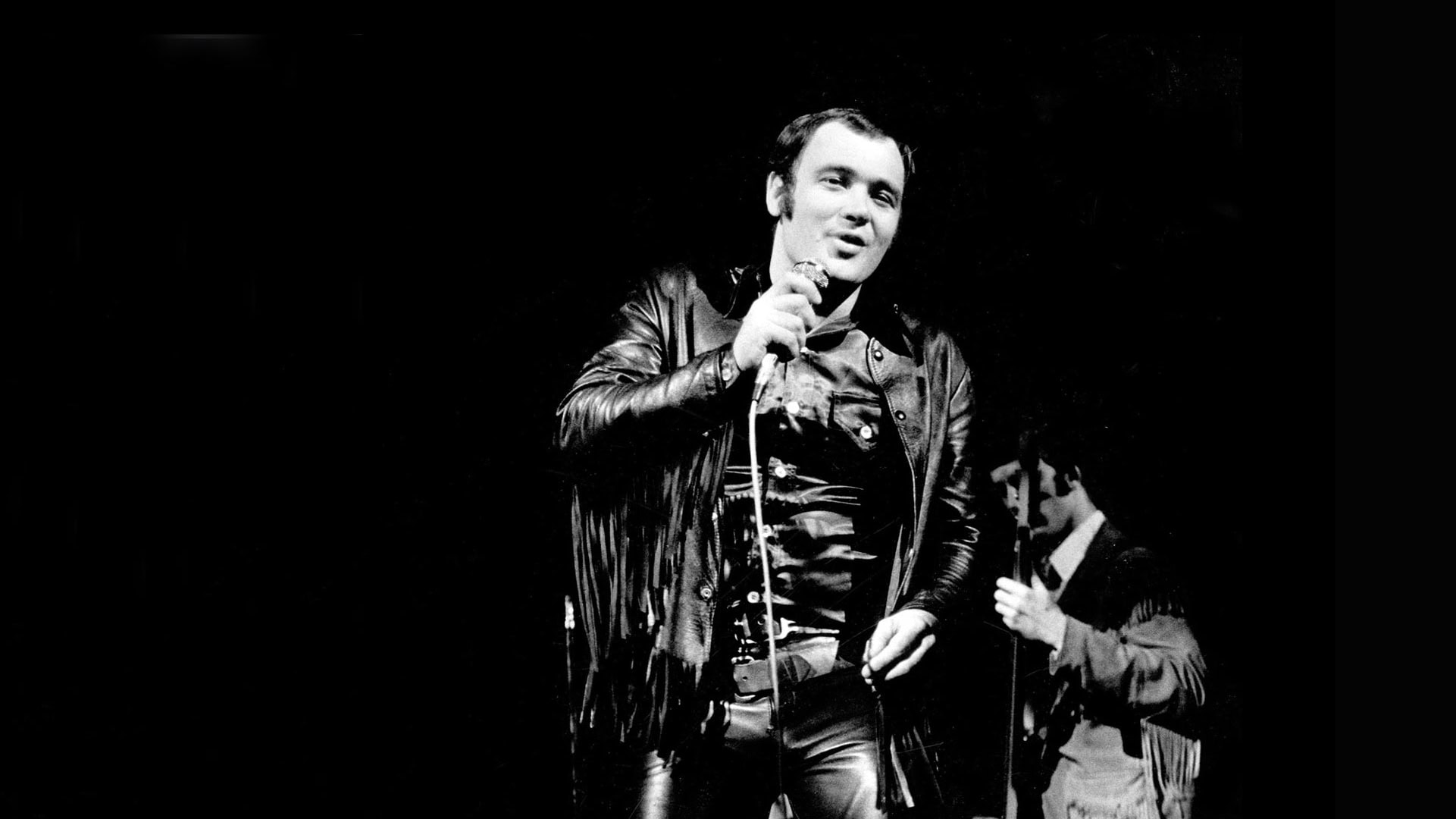
They say, “Never meet your heroes,” but for David Clayton-Thomas, meeting his music hero turned out to be the pivotal moment in his career.
The singer-songwriter, who passed away on June 24, 2026 at age 84, was a big name on the Toronto scene in 1966. But when his hero, John Lee Hooker, asked if he would do him a favour, it started a chain of events that led to global superstardom, tens of millions of records sold, Grammy and Juno awards, and a spot in the Canadian Music Hall of Fame. Not bad for a kid who spent much of his teens in reformatories and jails.
The backstory goes like this: Escaping an abusive father, Clayton-Thomas lived on the streets from the age of 14, sleeping in cars and doing whatever he had to do to survive. That put him in trouble with the law, and eventually behind bars. It was in jail that he tried singing and discovered his remarkable voice.
Once he was free, he found his way to the bar scene on Yonge Street and came to the attention of Toronto’s No. 1 talent scout, Ronnie Hawkins. Hawkins hired him to be his understudy and second singer.
“Ronnie Hawkins was really the godfather of that era,” Clayton-Thomas told this author in 2015. “Wherever he was playing, that was the club to go to.”
“Ronnie never pretended to be a great singer; that’s why he hired me to be in his band. That left him free to circulate around the club, be the genial master of ceremonies, the host, the party-giver, and that’s what he was best at.”
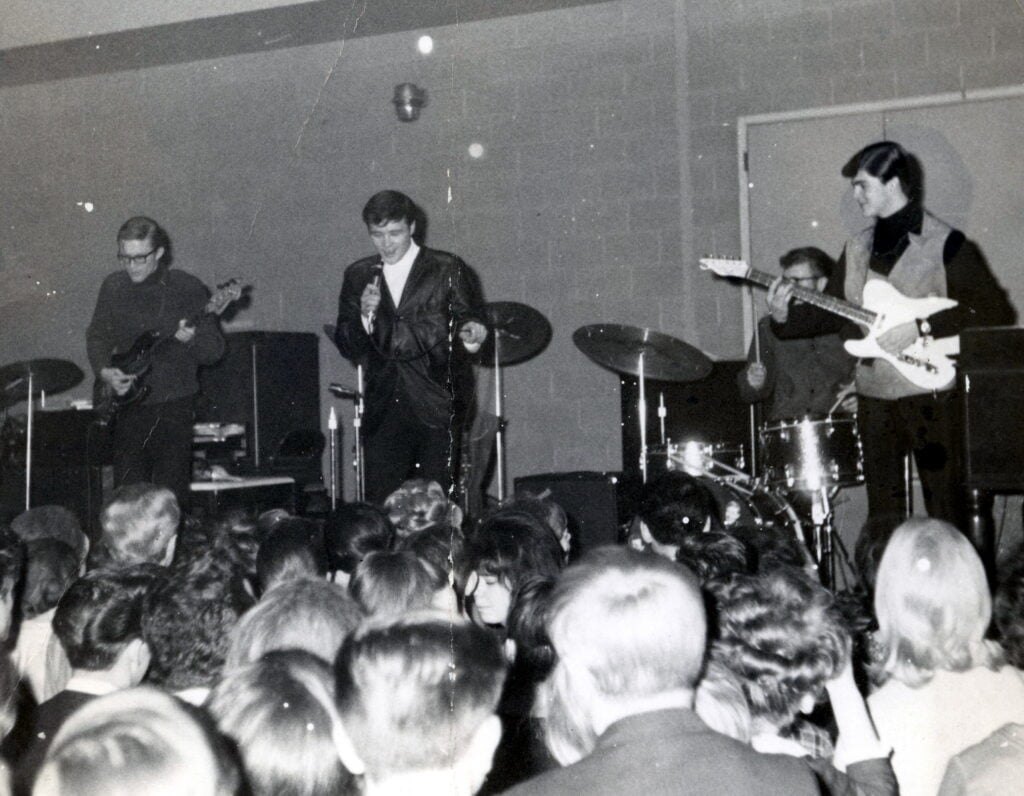
Soon, Clayton-Thomas was fronting his own group, the Shays.
“I still had my regular bar job with Ronnie Hawkins, and the Shays and I played more of the teen hops, the plaza dances, and high school dances; we played mostly one-nighters. If the Shays didn’t have a gig some months, Ronnie would say, come on, you’re in my band this month, so it was an off-and-on thing over a period of a couple of years.”
The teenagers were the ones listening to the radio, and the Shays made it onto the charts with a series of hit singles. The first, from 1964, was a cover of one of Clayton-Thomas’s favourite songs, John Lee Hooker’s signature tune, “Boom Boom.” More followed, sometimes under the Shays banner, others as Clayton-Thomas solo. “Walk That Walk,” “Take Me Back,” and “Out of the Sunshine” all hit the local and national charts. “Brainwashed” was the big one in 1966, with Clayton-Thomas now fronting a group called the Bossmen for a raw protest tune with R&B and jazz elements.
Clayton-Thomas had been moving from the bar scene to the hot folk clubs of Yorkville Village. It was exciting musically, but shaky financially.
“We started going up and seeing people like Oscar Peterson, Lonnie Johnson, Lenny Breau. And a lot of the acts from Greenwich Village in New York started to come up and play the little clubs in Yorkville. So, you could see folk acts like Tim Hardin. And we were all playing the little clubs on Yorkville, little one-nighters; there was no money there, most of us couldn’t afford a band with the money they paid in the coffeehouses. So, I juggled both for a while, the gigs downtown, which actually paid not much, but they at least paid a living, and Yorkville, which paid zero.”
Despite the money problems, Clayton-Thomas was in his element.
“People there were writing their own music, and you had brilliant songwriters like Neil Young, Joni Mitchell, and Gordon Lightfoot. I was already bitten by the writing bug. I wanted to write my own music; I just didn’t want to play recycled Top 40 stuff. It was a very creative community.”
But passing the hat in Yorkville wouldn’t pay the bills.
“I had three hit records in a row, and I was still working for two hundred dollars a week, because there was no music industry in Canada. It was obvious that Yorkville was no longer an option. My only option was to go back to the bars on Yonge Street where there were beer fights every other night or strike out and do something different.”
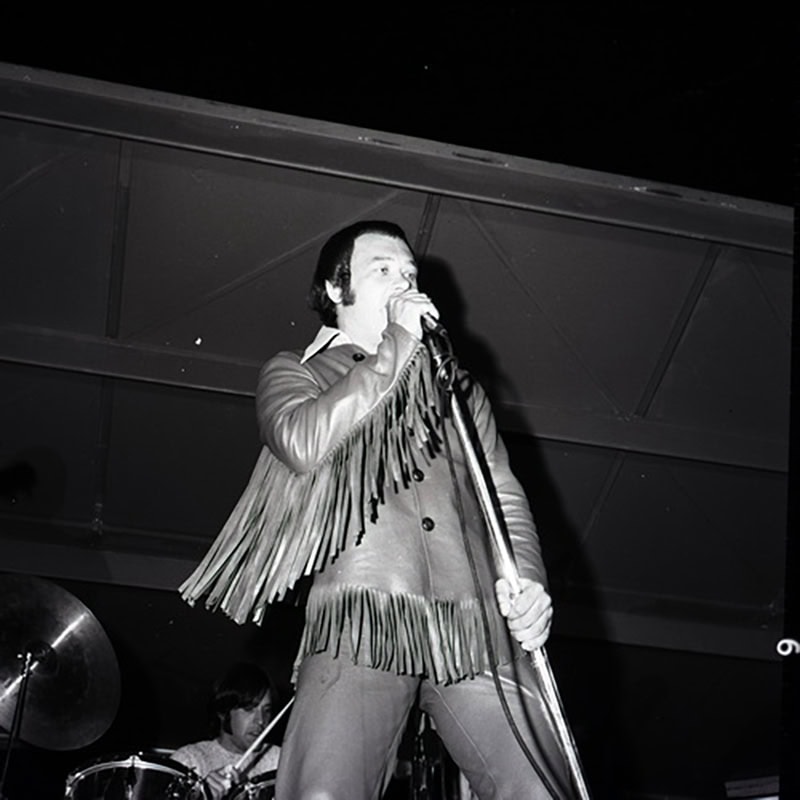
That’s when he met his hero.
“I was a big fan of the Delta blues style, and whenever Sonny Terry and Brownie McGhee or Lonnie Johnson or John Lee Hooker would come and play, they usually played at The Riverboat, and I was playing one of the other little clubs. So between sets, I used to take my guitar and run over and go sit in with them. One of those gigs was with John Lee Hooker, and he told me he was opening in the Cafe Au Go Go in New York City the following week. I said, ‘Take me with you; I’ll go with you.’ And he did.”
Well, it wasn’t quite that simple.
“He actually had an ulterior motive, because John was functionally illiterate; he grew up uneducated, a very wise man, very smart, but he couldn’t get a driver’s license. His driver had been busted at the border on the way up, and he left his Cadillac in Niagara Falls, New York. So, I made a deal with him. He said, ‘You go down to Niagara Falls and drive my Cadillac back to New York, and I’ll have a gig for you when you get there.’ I said okay, and two weeks later I did that.”
The trouble was, in the meantime, Hooker got a better offer. “Apparently, he had been booked to do something called the American Blues Tour of Europe and wasn’t going to do the gig. So there I was in New York with forty dollars in my pocket and my Telecaster, and no gig. Howie Solomon, who was the owner of the Cafe Au Go Go, said, ‘I’m in a bind too. I was supposed to open John Lee Hooker tonight, and he’s not going to make it. Do you have a band?’ Now I’d been in town maybe forty minutes, but I said, ‘Sure, no problem. I’ll be back at five for rehearsal.’ I went out looking for anybody with a guitar or who looked like a musician, and we put together a little blues band and opened at the Cafe Au Go Go, and that was my first gig in New York.”
It quickly led to other club dates, and Clayton-Thomas started making his name in NYC, with other musicians in awe of his mighty pipes. He felt Toronto musicians had an advantage when they came to New York. “We were that great, absolutely, maybe even better than the Greenwich or L.A. scenes, because we had struggled for so long up here without a real music industry. We spent the time, seven years or more, on Yonge Street and Yorkville, learning the trade. So, when the artists did go to New York, they were very well-seasoned.”
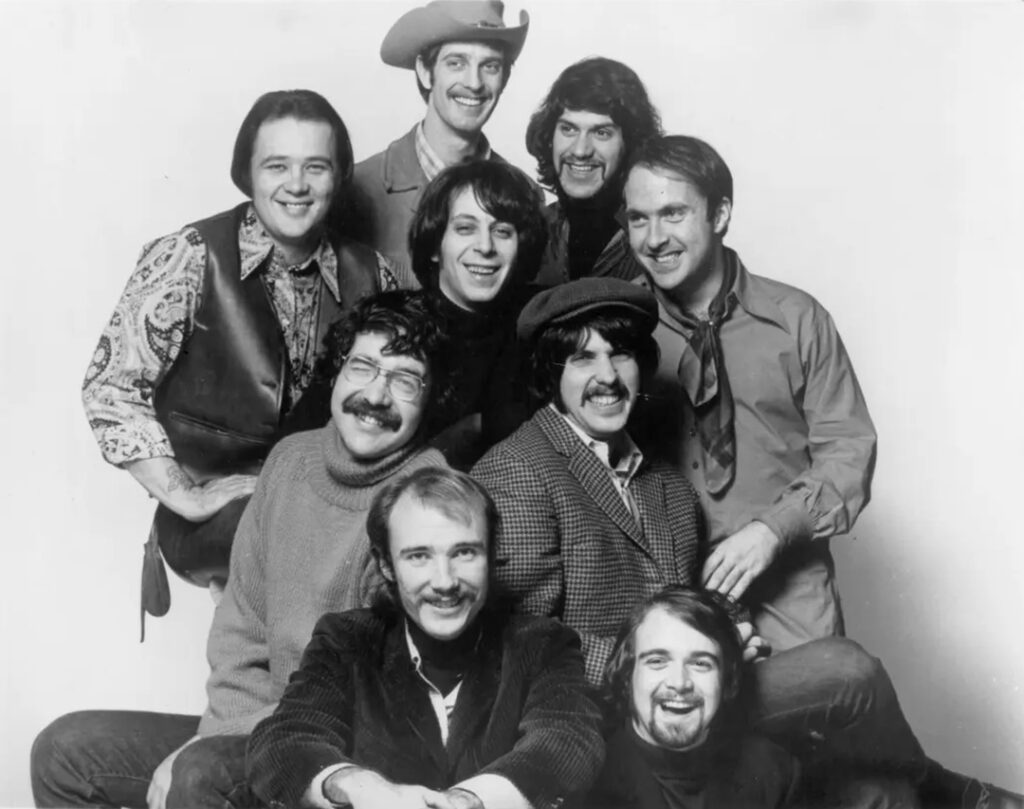
At one of his shows, folk star Judy Collins heard him sing and recommended him to her friend Bobby Colomby, the drummer for the new group Blood, Sweat & Tears. That group put out a well-regarded debut, but infighting was already splitting the band. Impressed, Colomby talked to Clayton-Thomas about joining forces, but nothing was certain, so he headed back home.
“I had to go back to Toronto. I like to say my visa ran out, but I didn’t have a visa,” said Clayton-Thomas. “A few weeks after I got back to Toronto, Bobby Colomby phoned me up and said, ‘Al Kooper’s gone, do you want to join the band?’ I said okay, they sent me an airline ticket this time, and I flew down, rehearsed with the band one afternoon, a sort of audition, and within ten minutes everybody was looking at each other, saying, ‘Yup, this is it, this is what we’re looking for.’”
The band got more than they realized. Remember the songwriting bug Clayton-Thomas had caught in Yorkville? He offered up his new song, “Spinning Wheel,” and it became a huge hit. The song reached No. 2 in the U.S. and No. 1 in Canada, helping propel the album Blood, Sweat & Tears to sales of more than 10 million copies and a Grammy Award for Album of the Year. Four decades later, the song was inducted into the Canadian Songwriters Hall of Fame.
More hit albums and singles followed, and Clayton-Thomas would go back and forth between the band and a solo career several times. He’d move back and forth from blues, jazz, and rock in his career; that powerful and distinctive voice was always his trademark. And when he looked back, he felt that taking that offer to drive John Lee Hooker’s Cadillac to New York was the moment his career went boom boom.